
by Nancy Ruzow
If you’ve ever handed a donor a beautifully designed annual report — and then watched nothing happen — I’ve spent 40 years figuring out why that happens.
That thinking became my Readability Drives Revenue™ Process: a strategic approach to design built around being read, understood, and acted upon.
The problem almost never comes down to aesthetics. It comes down to whether the design was actually built to be read, understood, and acted upon. That distinction is the foundation of everything I do.
I created the Readability Drives Revenue™ Process over 40 years of graphic design, working with nonprofit clients of all sizes — from scrappy founder-only start-ups to storied institutions. And the process of creating so many annual and impact reports, logos, brand refreshes, and donor materials kept driving me back to one conclusion: Pretty design isn’t enough. If you’re relying on individual donors and foundations to support your organization, your designs must be something that they enjoy reading so that they continue supporting you.
But many nonprofits and development teams don’t think of their design as a key way to drive revenue — and they’re missing out on donations. When your annual reports are skimmed instead of read, when your brand feels like it’s held together by tape, or when your audience is overwhelmed by data, you aren’t just losing reader attention. You’re losing trust, engagement, and revenue.
The Six Components of the RDR Process
Readability
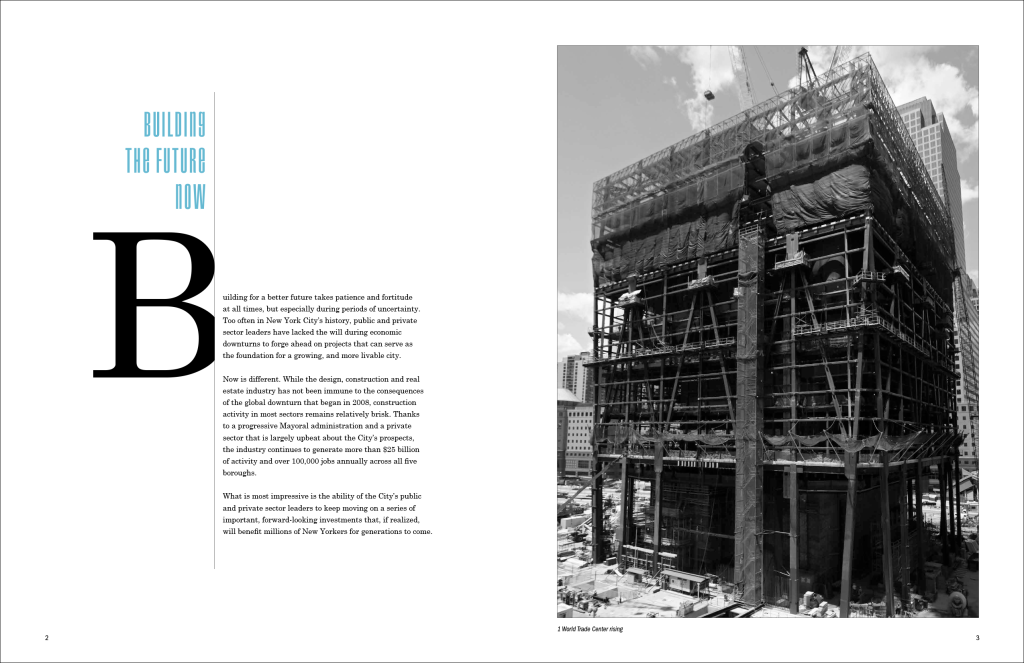
Readability makes it easy for the eye to find and follow the path. It focuses on the accessibility and navigation of the content. It’s about making things clear using typography, visual hierarchy, and well thought-out layout, so the reader can physically navigate the page.
Understanding
Good design isn’t just about making things easy to read; it’s about helping the reader process the information so they can engage. Understanding makes it easy for the brain to grasp and use the information. I simplify complexity, strategically organize the content through information design, and highlight what matters most — whether I’m building a brand or designing for a message — so the reader can absorb, process, and act on what they’ve seen.
Audience Engagement
People engage with information they can easily consume. They also engage with brands they can easily recognize and understand. I use storytelling, visual hierarchy, data visualization, and cohesive design systems to keep audiences invested.
Trust
People judge an organization by how it presents itself. If your materials look inconsistent or cluttered, donors subconsciously question your competence. I create polished, cohesive designs that show your organization is stable, organized, and a safe steward of their funds.
Action & Conversion
Effective communication drives decisions. Whether the goal is a donation, a funding commitment, stakeholder support, membership growth, brand awareness, or organizational visibility, every design choice should support action and conversion.
Results
Design is not the finish line. Results are. I measure success by outcomes: stronger fundraising, increased participation, improved understanding, greater visibility, deeper audience connection, and stronger brand recognition and consistency.
Ultimately, the Readability Drives Revenue™ Process transforms complex information into clear communication and memorable brand experiences that build understanding, earn trust, increase audience engagement, inspire action, and deliver measurable results.
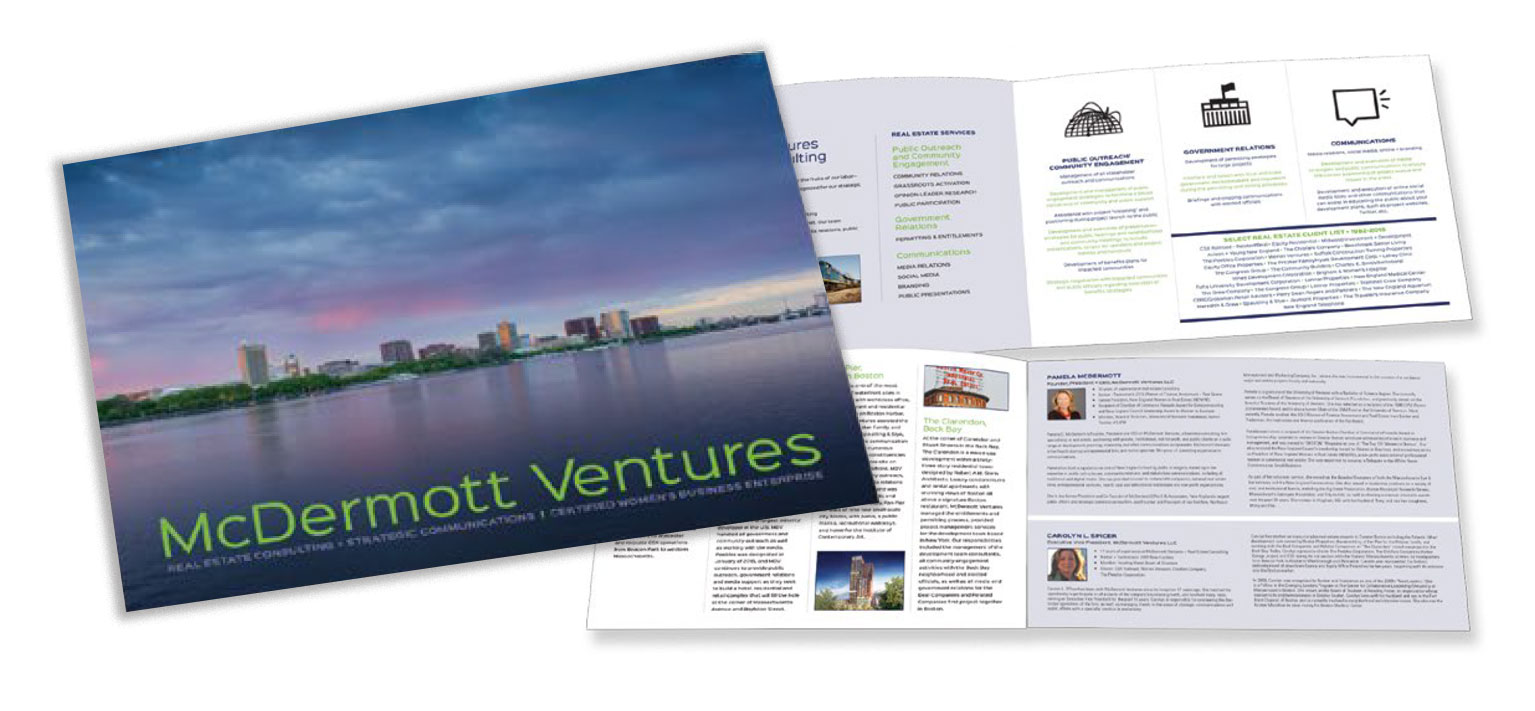
It’s not about the deliverable itself — it’s about what happens when people encounter it. I apply this process across all my core services, including annual and impact reports, donor communications, and information-rich publications that transform data into donor stories, and capital campaign materials designed to drive funding. Whether developing brand guidelines and brand refresh work, creating brochures, whitepapers, and infographics, or providing strategic design… every creative choice is intentional.
Ready to see what the RDR Process could do for your nonprofit’s materials? Let’s talk.